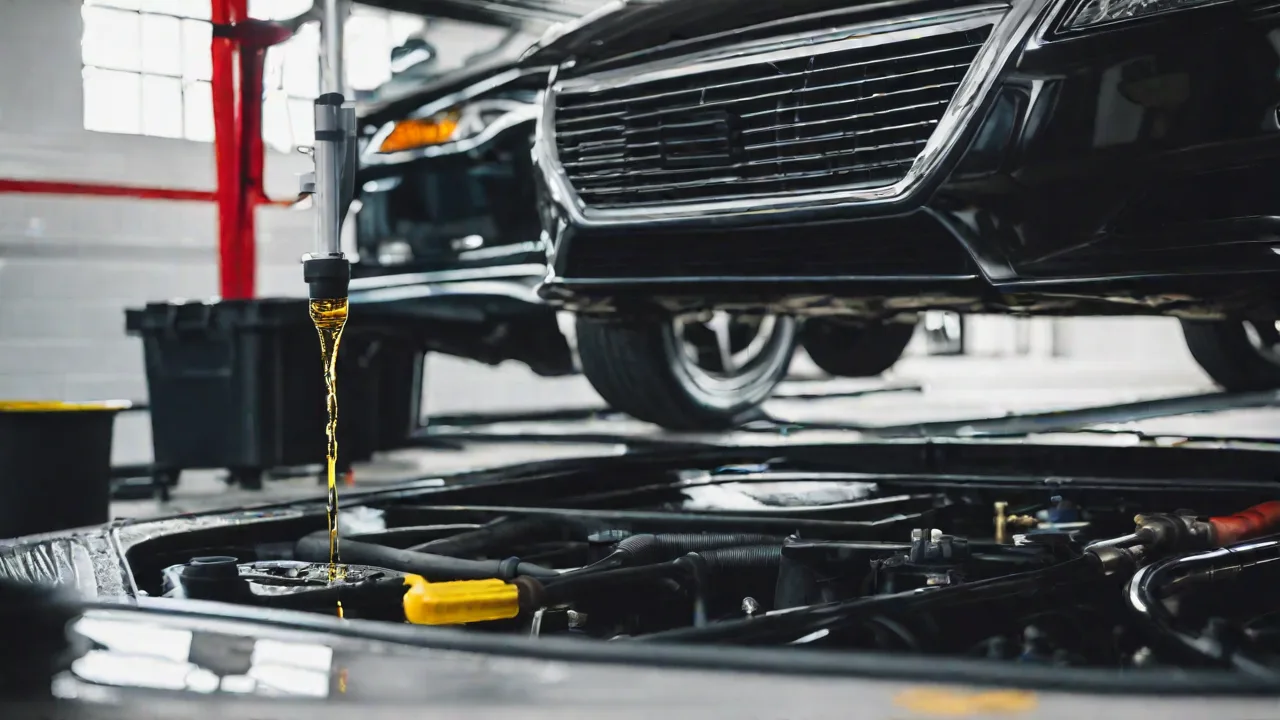
How to Maximize Oil Change Efficiency With Proper Drainage and Filling Techniques
Performing an oil change is a vital maintenance task that keeps your vehicle running smoothly. To maximize efficiency and ensure the longevity of your engine, proper drainage and filling techniques are essential. This guide will walk you through the best practices for an effective oil change.
Preparing for the Oil Change
Before starting, gather all necessary tools and materials, including the correct type and amount of oil, a new oil filter, a wrench, a drain pan, and gloves. Ensure your vehicle is parked on a level surface and the engine is cool to prevent burns.
Proper Drainage Techniques
Effective drainage is crucial to remove as much old oil as possible. Follow these steps:
- Locate the drain plug underneath your vehicle, typically near the oil pan.
- Place the drain pan beneath the drain plug to catch the old oil.
- Use the appropriate wrench to loosen and remove the drain plug carefully.
- Allow all the oil to drain completely, which may take several minutes.
- Inspect the drain plug and replace the crush washer if necessary before reinstalling.
Filling with Fresh Oil
Once the old oil has drained, it's time to add new oil. Proper filling techniques ensure optimal engine performance:
- Remove the oil fill cap, usually located on top of the engine.
- Pour the recommended amount of new oil slowly to avoid spills.
- Use a funnel for precision and cleanliness.
- Replace the fill cap securely.
- Start the engine and let it run for a few minutes to circulate the new oil.
- Turn off the engine and wait a few minutes for the oil to settle.
- Check the oil level with the dipstick and add more if necessary to reach the correct level.
Final Checks and Tips
After completing the oil change, perform these final steps:
- Inspect around the drain plug and fill cap for leaks.
- Dispose of used oil responsibly at a recycling center.
- Record the date and mileage of the oil change for future reference.
- Regularly check your oil level and quality between changes to maintain engine health.
By following these drainage and filling techniques, you can improve the efficiency of your oil change and extend the life of your engine. Proper maintenance is key to vehicle reliability and performance.