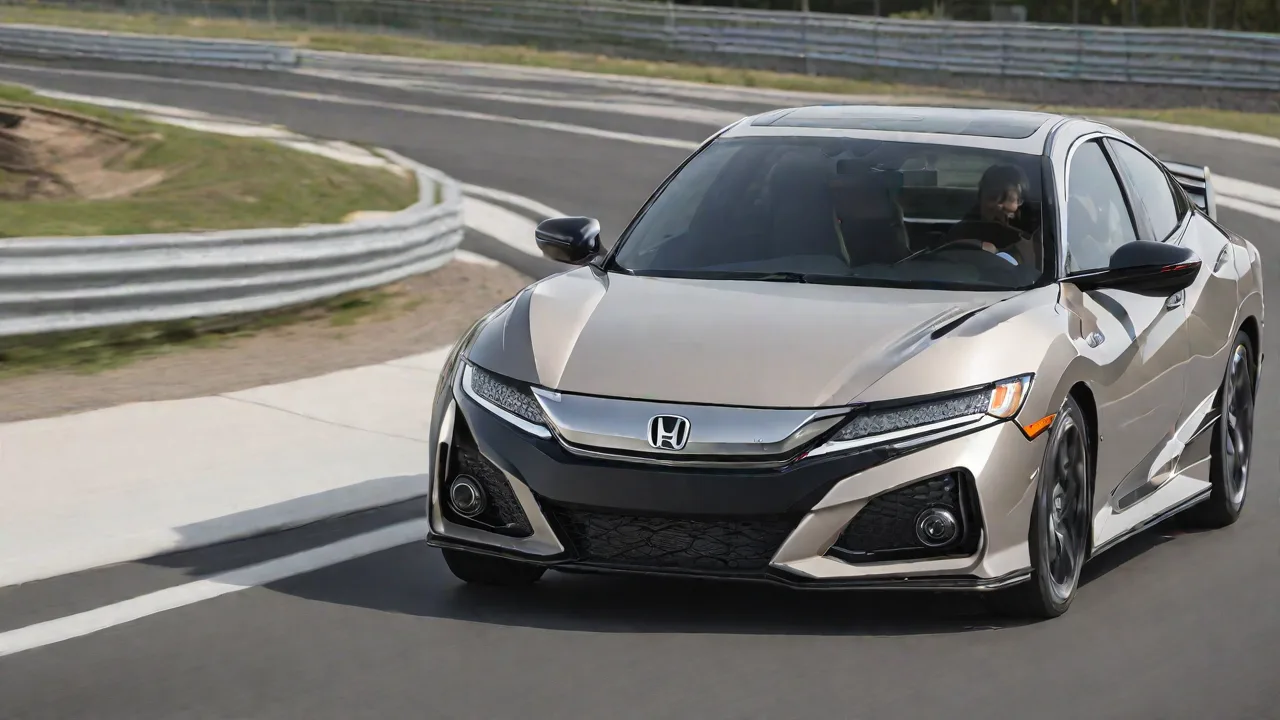
The Development of Honda’s Autonomous Emergency Braking System and Its Impact
The development of Honda’s Autonomous Emergency Braking (AEB) system represents a significant milestone in automotive safety technology. Honda, a leader in innovation, has continually advanced its safety features to protect drivers, passengers, and pedestrians. The AEB system is designed to automatically detect potential collisions and apply brakes to prevent or mitigate accidents.
History and Development of Honda’s AEB System
Honda began developing its AEB technology in the early 2000s, inspired by the growing need for intelligent safety systems. The first prototypes used radar and camera sensors to monitor the road ahead. Over the years, Honda refined these sensors and algorithms to improve detection accuracy and response times.
By 2015, Honda introduced its first commercial AEB system in select models. The system could detect vehicles and pedestrians at low and high speeds, activating brakes automatically when necessary. Continuous improvements have expanded the system's capabilities and reliability.
Technological Features of Honda’s AEB
- Sensor Integration: Uses radar, lidar, and cameras for comprehensive environment sensing.
- Collision Detection: Identifies vehicles, pedestrians, and obstacles ahead.
- Automatic Braking: Engages brakes to prevent or lessen impact during imminent collisions.
- Adaptive Speed Control: Adjusts vehicle speed to maintain safe distances.
- Driver Alerts: Provides visual and auditory warnings to assist driver awareness.
Impact on Road Safety and Society
Honda’s AEB system has had a profound impact on road safety. Studies show that vehicles equipped with AEB reduce rear-end collisions by up to 50%. This technology not only saves lives but also reduces insurance costs and traffic congestion caused by accidents.
Moreover, Honda’s commitment to safety has influenced industry standards and encouraged other manufacturers to develop similar systems. As autonomous vehicle technology progresses, systems like Honda’s AEB will become standard features, further enhancing road safety worldwide.
Future Developments and Challenges
Looking ahead, Honda aims to integrate AEB with other driver-assist technologies such as lane-keeping assist and adaptive cruise control. These combined systems will pave the way for fully autonomous vehicles in the future.
However, challenges remain, including sensor limitations in adverse weather conditions and the need for robust cybersecurity measures. Continued research and development are essential to overcome these hurdles and ensure the safety and reliability of autonomous emergency systems.