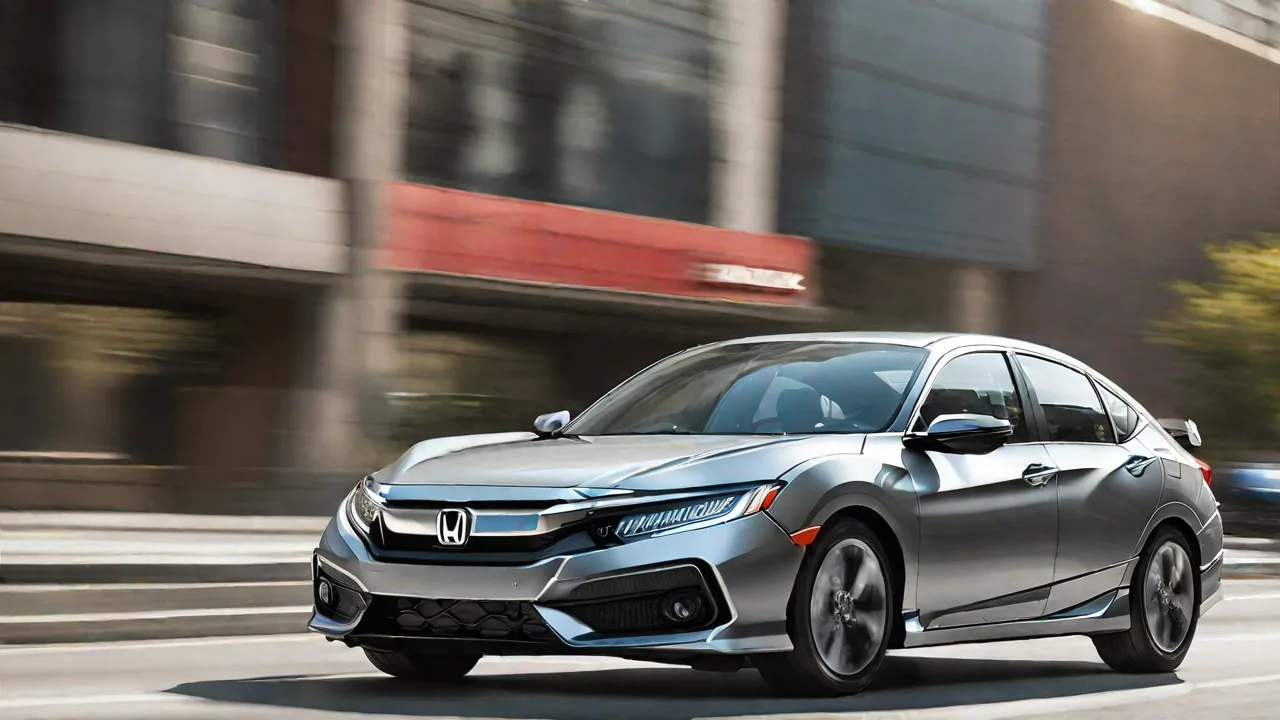
Understanding Honda’s Collision Mitigation Braking System (Cmbs) and Its Benefits
Honda’s Collision Mitigation Braking System (CMBS) is an advanced safety feature designed to help prevent or reduce the severity of collisions. It uses sensors and cameras to monitor the road ahead and can automatically apply brakes if a collision seems imminent. This technology aims to enhance driver awareness and safety on the road.
How CMBS Works
CMBS utilizes radar and camera sensors to detect vehicles, pedestrians, and other obstacles in front of the vehicle. When the system detects a potential collision, it alerts the driver with visual and auditory warnings. If the driver does not respond in time, CMBS can automatically apply braking to mitigate the impact or avoid the collision altogether.
Benefits of CMBS
- Enhanced Safety: Reduces the risk of rear-end collisions by providing timely alerts and automatic braking.
- Lower Insurance Costs: Vehicles equipped with CMBS may qualify for discounts due to their safety features.
- Peace of Mind: Drivers feel more confident knowing that the system can assist in critical moments.
- Pedestrian Protection: Helps detect pedestrians, especially in urban environments, reducing accidents involving vulnerable road users.
Limitations and Considerations
While CMBS is a valuable safety feature, it is not foolproof. It works best under good weather conditions and with clear road markings. Drivers should always remain attentive and not rely solely on the system. Proper maintenance and sensor calibration are essential for optimal performance.
Conclusion
Honda’s Collision Mitigation Braking System (CMBS) represents a significant step forward in vehicle safety technology. By helping to prevent accidents before they happen, it offers peace of mind and enhances safety for drivers, passengers, and pedestrians alike. As technology continues to evolve, features like CMBS will play an increasingly vital role in road safety.