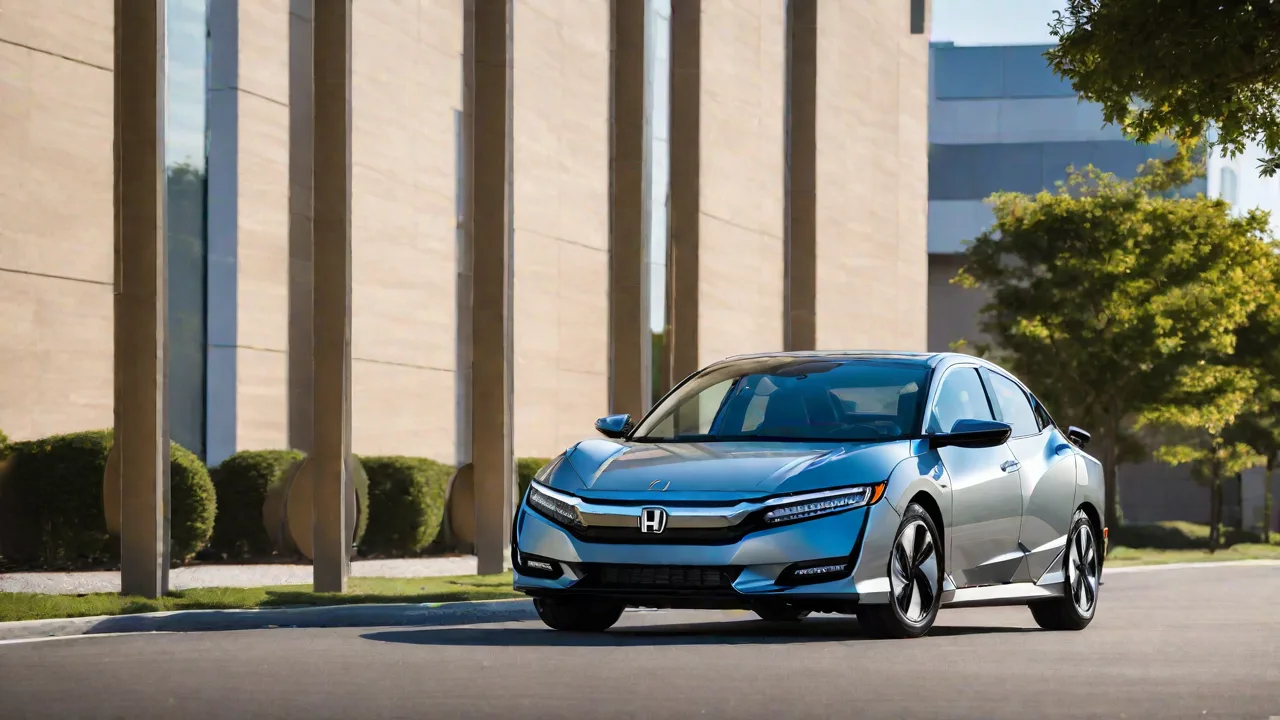
The Impact of Honda’s Electric Vehicle Expansion on Traditional Models’ Depreciation
The automotive industry is experiencing a significant shift as traditional car manufacturers expand their electric vehicle (EV) offerings. Honda, a longstanding leader in conventional automobiles, has recently accelerated its EV development, impacting the value of traditional models.
Honda’s Electric Vehicle Strategy
Honda's strategy involves introducing a broad range of electric models to meet increasing consumer demand and comply with stricter emissions regulations worldwide. Their recent launches include fully electric sedans, SUVs, and hybrid models, signaling a major transition from internal combustion engines to electric powertrains.
Effects on Traditional Models’ Depreciation
The expansion of Honda’s EV lineup has led to a noticeable decline in the resale value of their traditional gasoline-powered vehicles. Several factors contribute to this trend:
- Reduced demand: Consumers increasingly prefer electric vehicles, decreasing interest in older, traditional models.
- Technological obsolescence: Advancements in EV technology make older models less attractive and less valuable.
- Market perception: The shift towards sustainability enhances the depreciation rate of non-electric vehicles.
Financial Implications for Owners
Owners of Honda’s traditional models may face faster depreciation, which can impact resale value and overall ownership costs. This trend emphasizes the importance of considering future value when purchasing vehicles in a rapidly evolving market.
Industry-Wide Trends
Honda's experience reflects a broader industry trend where electric vehicle expansion is reshaping vehicle depreciation patterns across brands. Automakers worldwide are adjusting their strategies to align with environmental goals and consumer preferences.
As the EV market continues to grow, traditional models are likely to see further depreciation. This shift encourages both manufacturers and consumers to adapt to a new automotive landscape focused on sustainability and innovation.